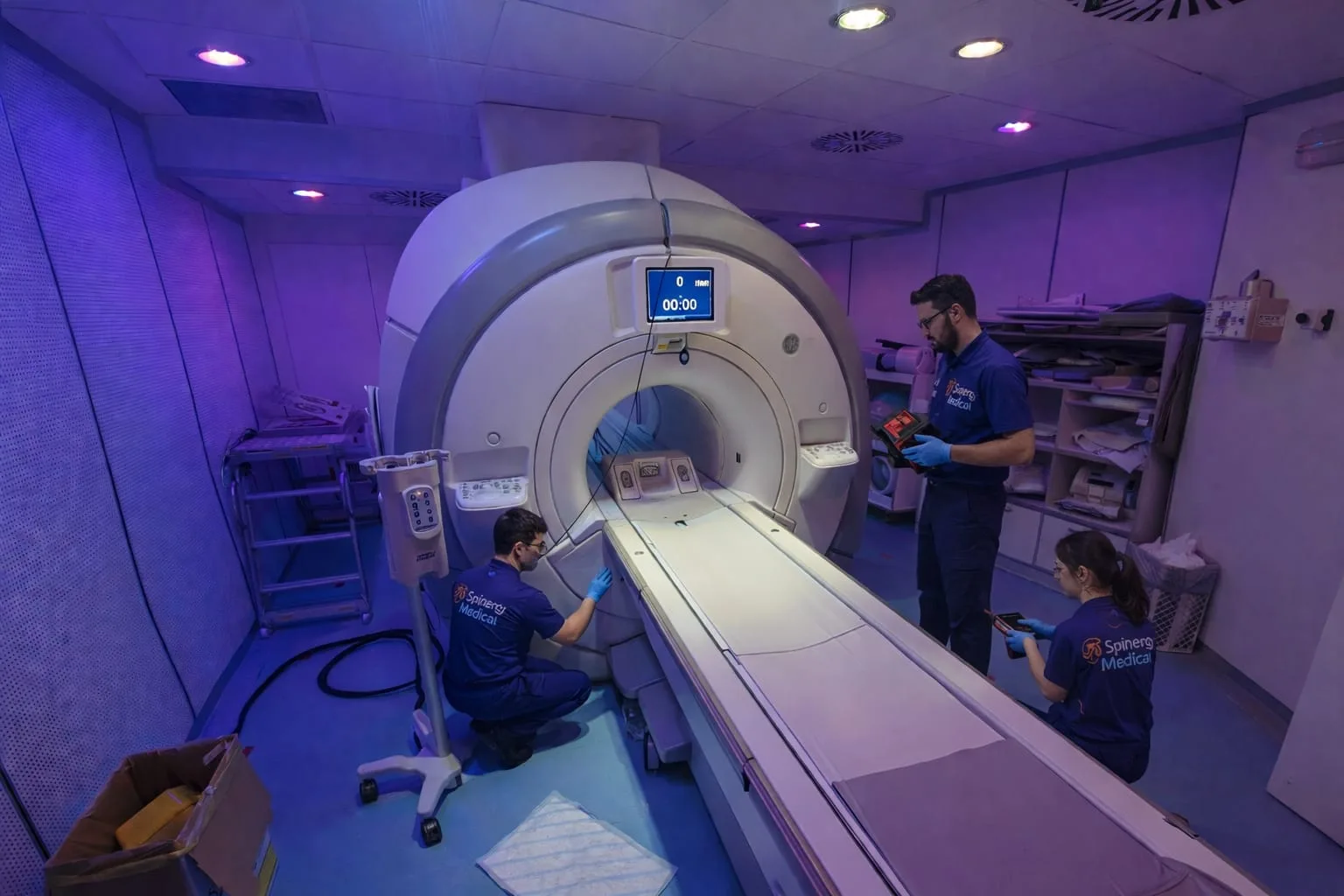
Systems and second life
How to assess a used diagnostic imaging system
Manufacturer, model and price are not enough: a useful assessment also considers configuration, condition, documentation, destination and required services.
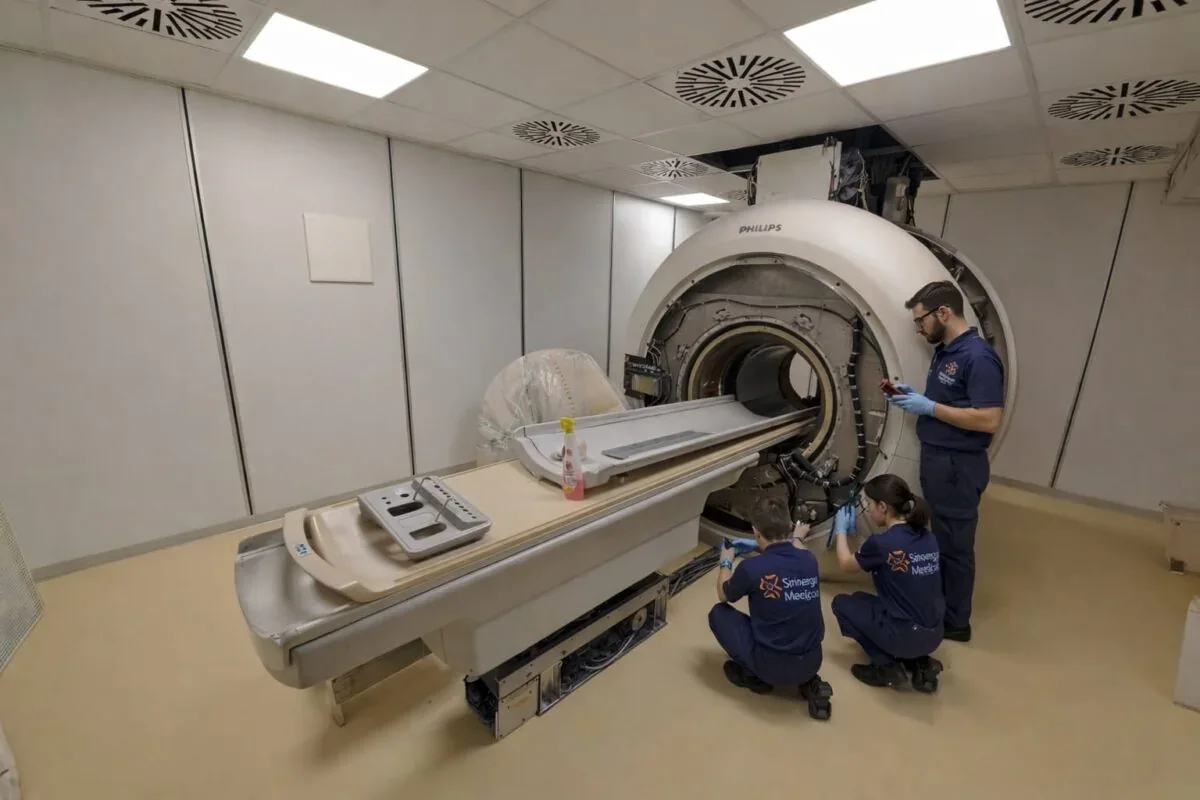
A used imaging system cannot be assessed only by manufacturer, model and price. Actual configuration, the information available, the intended destination and the services included in a proposal may substantially change the project scope.
Before comparing options, separate confirmed information from items requiring further checks. This leads to more precise questions and connects the equipment with the place and conditions in which it will be used.
Start with the operating requirement
Sourcing should begin with modality, intended use and the organisation’s priorities. A generic request for “an MRI” or “a CT” is not enough: clarify the activities to support, the configuration being sought and any known constraints.
Indicative timing also matters. An immediate need, an early project and a planned replacement require different pathways. A target date does not guarantee availability, but it helps establish which checks should come first.
Identify the system and configuration
Model and manufacturer are only the first layer. Version, year, components, software, accessories and options can vary between apparently similar systems. Information must therefore refer to the specific machine, not be inferred from a general brochure.
Where configuration matters, state it as a requirement to be confirmed. The same applies to coils, tables, workstations, applications, included spares and other accessories.
Separate information, documents and condition
A commercial description does not replace available documentation or a technical check. Ask which maintenance information, photographs, configuration inventories and documents can be provided and which points remain open.
The term “refurbished” does not automatically describe a uniform process. Clarify which work was actually performed, on which components and with which documentation. Likewise, “used” alone says nothing conclusive about the condition of one specific machine.
Consider the destination site
Equipment must be considered together with facilities. Entry routes, room, access, utilities, moving requirements and technical stakeholders may affect the required activities. A system aligned with the operating requirement may still require further investigation for the destination site.
Collect plans, available measurements, floor information, access constraints and utility information early. These do not replace a site survey where required, but they make the first assessment more useful.
Clarify what the proposal includes
Transport, deinstallation at origin, planning, installation, commissioning and support must not be assumed to be included. Each item needs a defined scope, responsibilities, dependencies and limits.
A comparable proposal makes the system, outstanding checks and included or excluded services explicit.
Checklist for the first discussion
- modality and intended use;
- manufacturer or models already considered;
- required configuration and accessories;
- destination site or country;
- indicative timing;
- available plans or measurements;
- services required with the equipment;
- points that still need verification.
Browse available systems or describe your requirement in the quotation form. If the model is not shown in public stock, Spinergy Medical can assess a search through its commercial network.