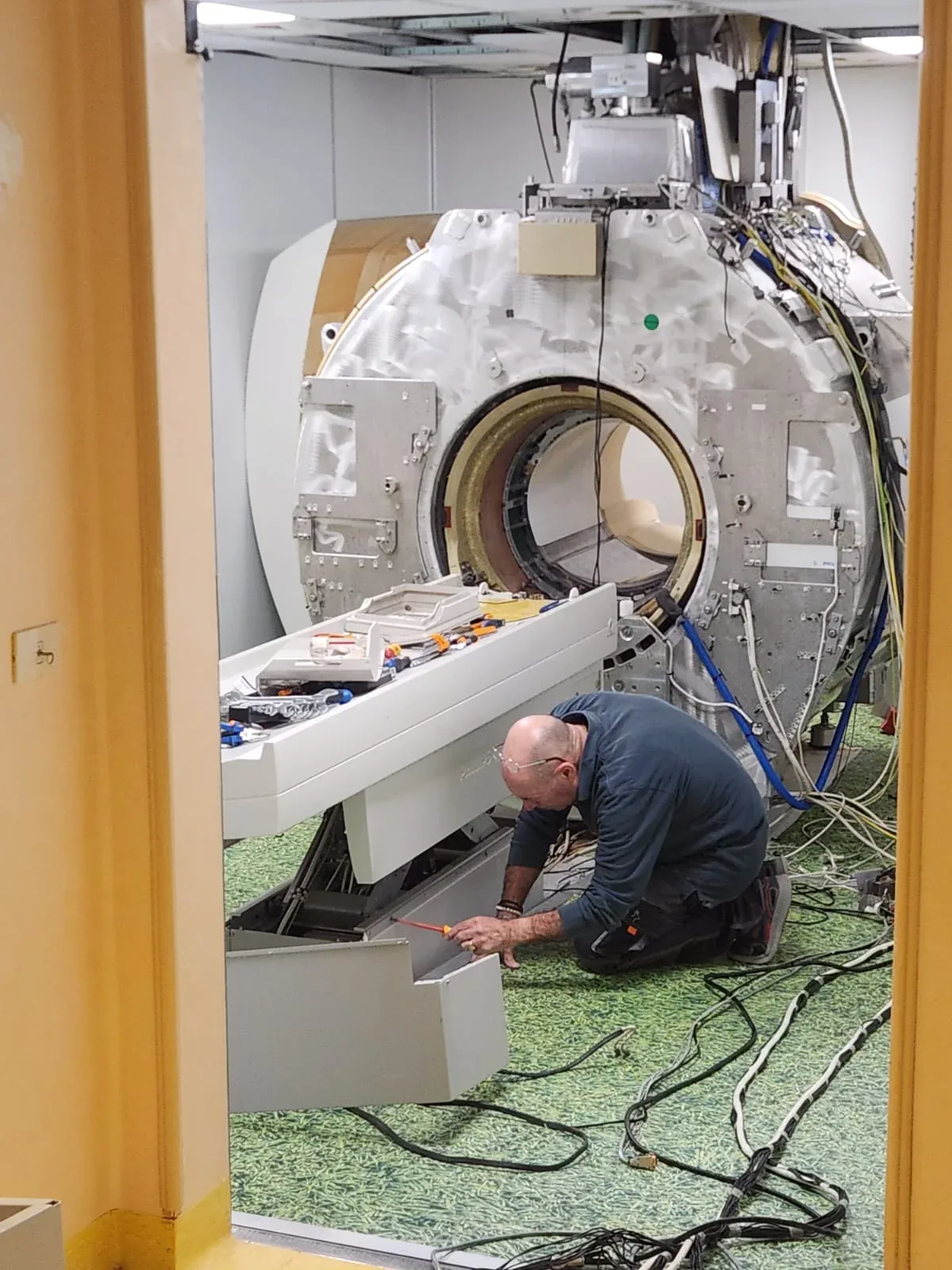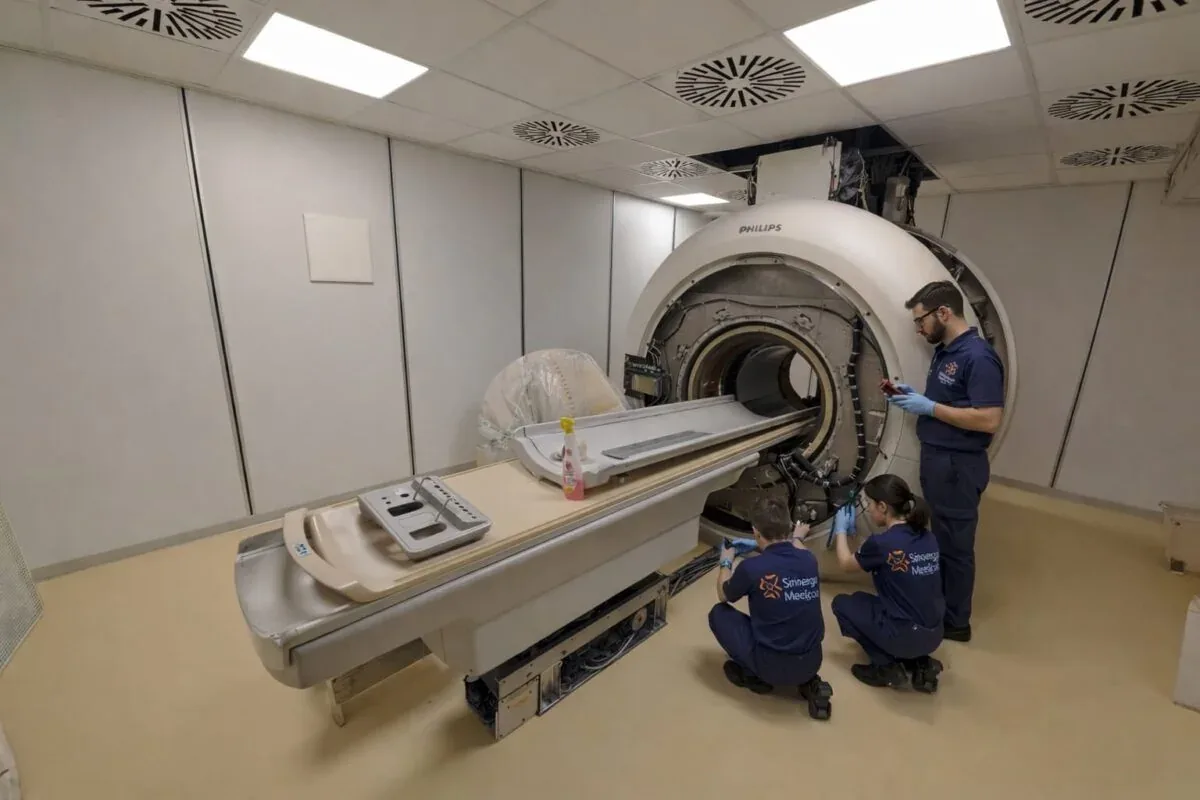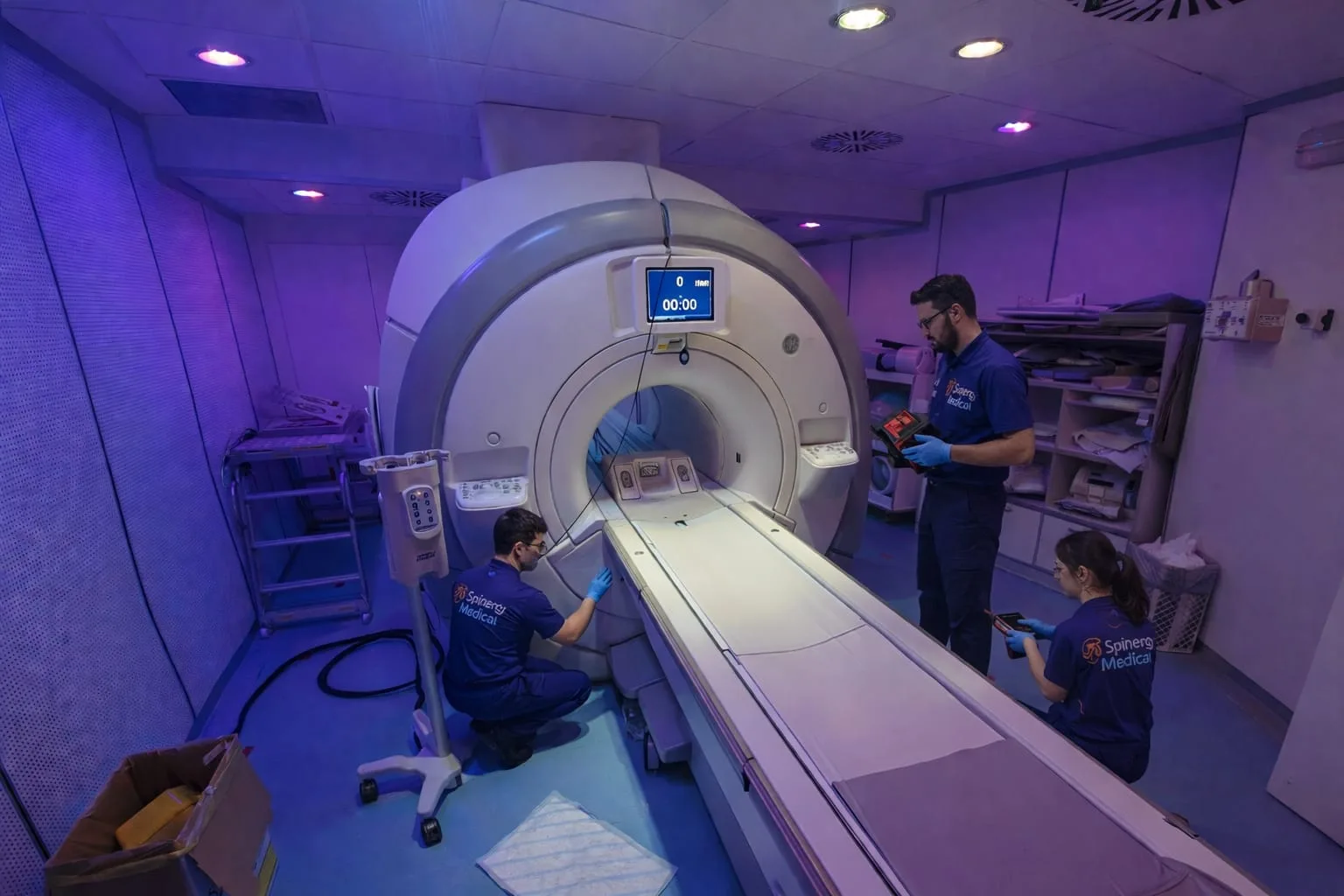
Cryogenic services
MRI cryogenic services: how to define the scope
Cryogenic activities depend on MRI configuration and condition: an initial collection of information avoids a generic or incomplete request.
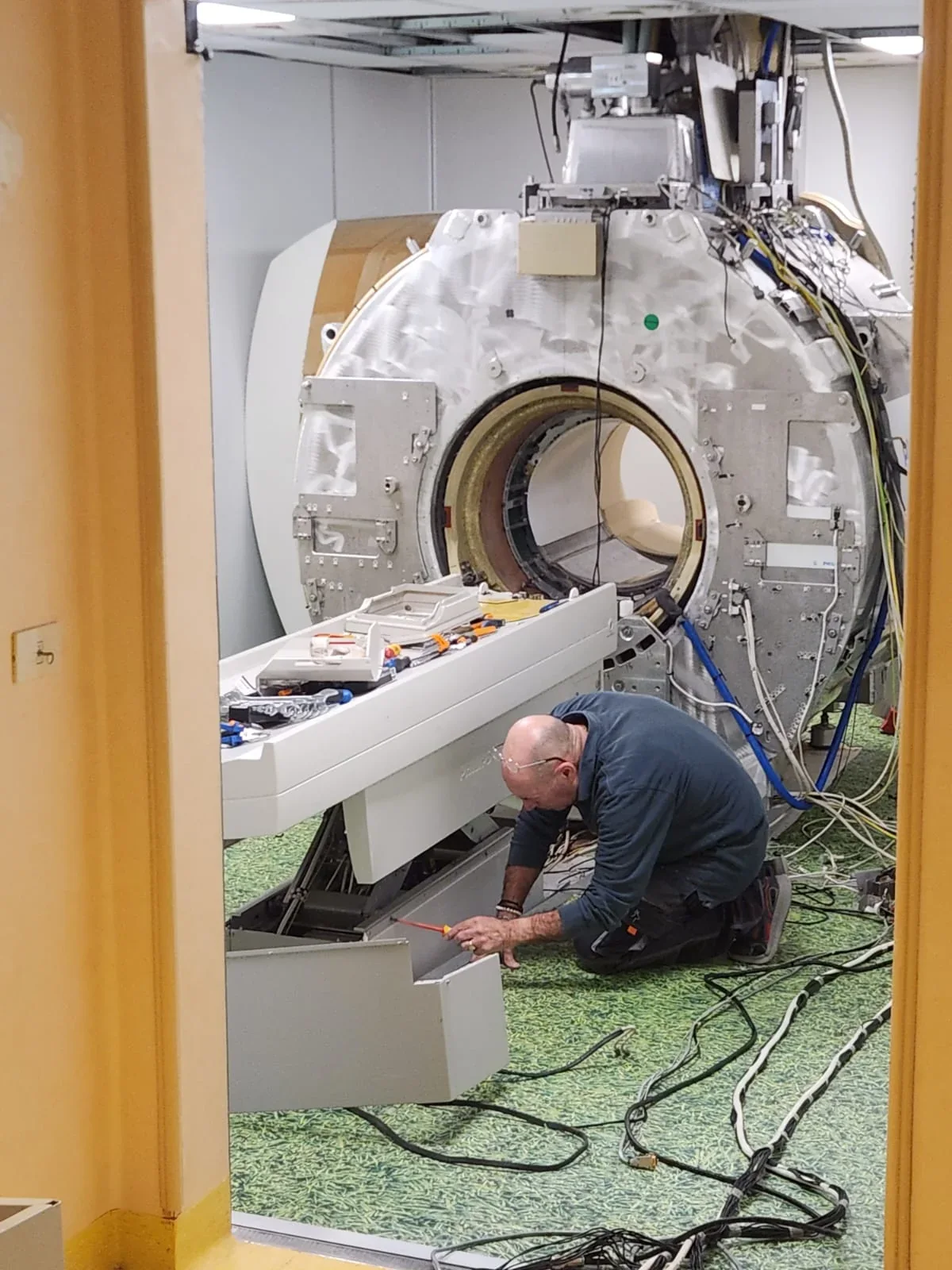
A request concerning a cold head, helium or magnet condition cannot be defined reliably from a generic description. System, configuration, operating status and available information must be collected before activities and logistics can be confirmed.
Identify the MRI system
Manufacturer, model, magnet configuration and shareable technical identifiers are the first reference. If documentation, history or recent data are available, mention their existence without sending material that has not been requested.
Describe condition and reported events
Report what was observed, when it occurred and which recent activities affected the system. Do not anticipate diagnosis or operating action: the first communication should enable specialist assessment.
Clarify the requested activity
Cold-head work, helium management, support for deinstallation and other activities are not interchangeable. The enquiry should explain the objective and what is expected to be included, while leaving unverified points open.
Check site, access and stakeholders
System location, access conditions, technical areas, logistics and on-site stakeholders are part of the scope. Documentation and technical contacts may also affect preparation.
This guide is not an operating instruction. Cryogenic work must be assessed and performed by competent specialists within the specific context.
Useful information to begin
- MRI manufacturer and model;
- available magnet and cold-head information;
- operating condition and reported events;
- recent relevant activity or event;
- available and shareable helium information;
- site, access and technical contact;
- objective and indicative timing.
Explore cryogenic services or send an enquiry through contact.