System
Identification, configuration, condition and completeness.

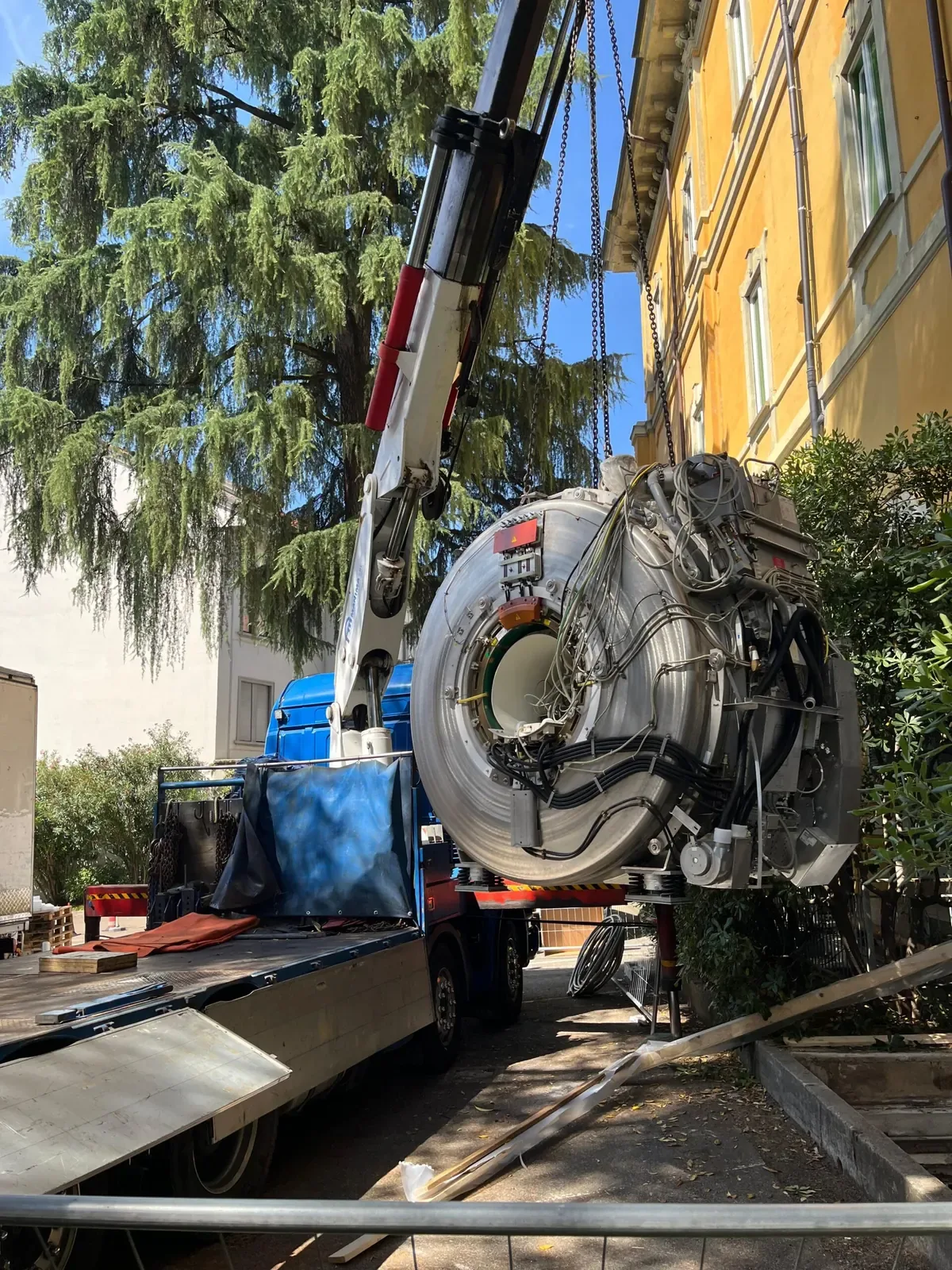
MRI DEINSTALLATION
Removing an MRI system requires a sequence built around the equipment, site conditions and its next destination. Reuse, relocation or end of life create different requirements that need to be clarified before work begins.
APPROACH
Identification, configuration, completeness and available condition information help define the project objective. The room, route, access and interfaces determine which logistical points require further investigation.
Activities involving the system and magnet require a specific technical scope and competent personnel. This page does not provide operating procedures; it describes the information needed to prepare and coordinate the work.
Packing, moving, possible relocation and an end-of-life pathway are kept distinct. Responsibilities, documents and stakeholders are confirmed for the actual case.
Identification, configuration, condition and completeness.
Room, access, route and constraints to investigate.
Technical and logistical activities to coordinate.
Reuse, relocation or end of life to confirm.
BEFORE WORK BEGINS
Available documents are compared with the system status and room conditions. Where dimensions, load limits, access or interfaces are not sufficiently documented, further site investigation is considered.
The plan identifies who carries out each activity and which points remain subject to specialist, regulatory or logistical confirmation.
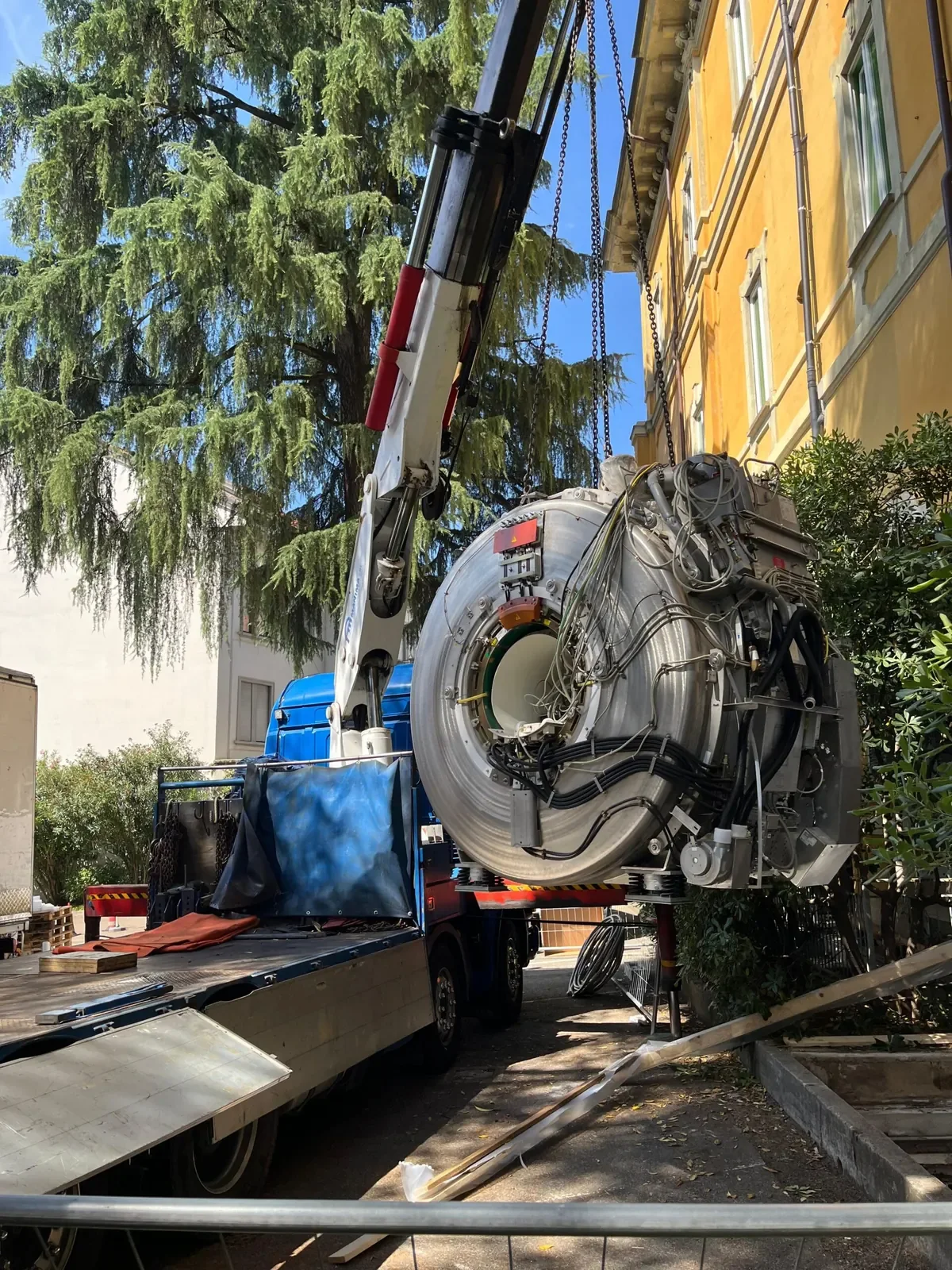
SEQUENCE
Clarify the system, objective, site and programme.
Assess condition, access, route and dependencies.
Organise technical activities, packing and moving.
Confirm reuse, relocation or the end-of-life pathway.
USEFUL QUESTIONS
No. Moving, transport, packing and destination must be stated in the scope.
It is assessed from the documentation, system and route conditions.
No. Destination and any related obligations are defined for the case with the competent parties.
Tell us what support you need, where the facility is located and what matters most to you. Let’s start there.