Preliminary assessment
Collecting plans, routes, constraints and system requirements.

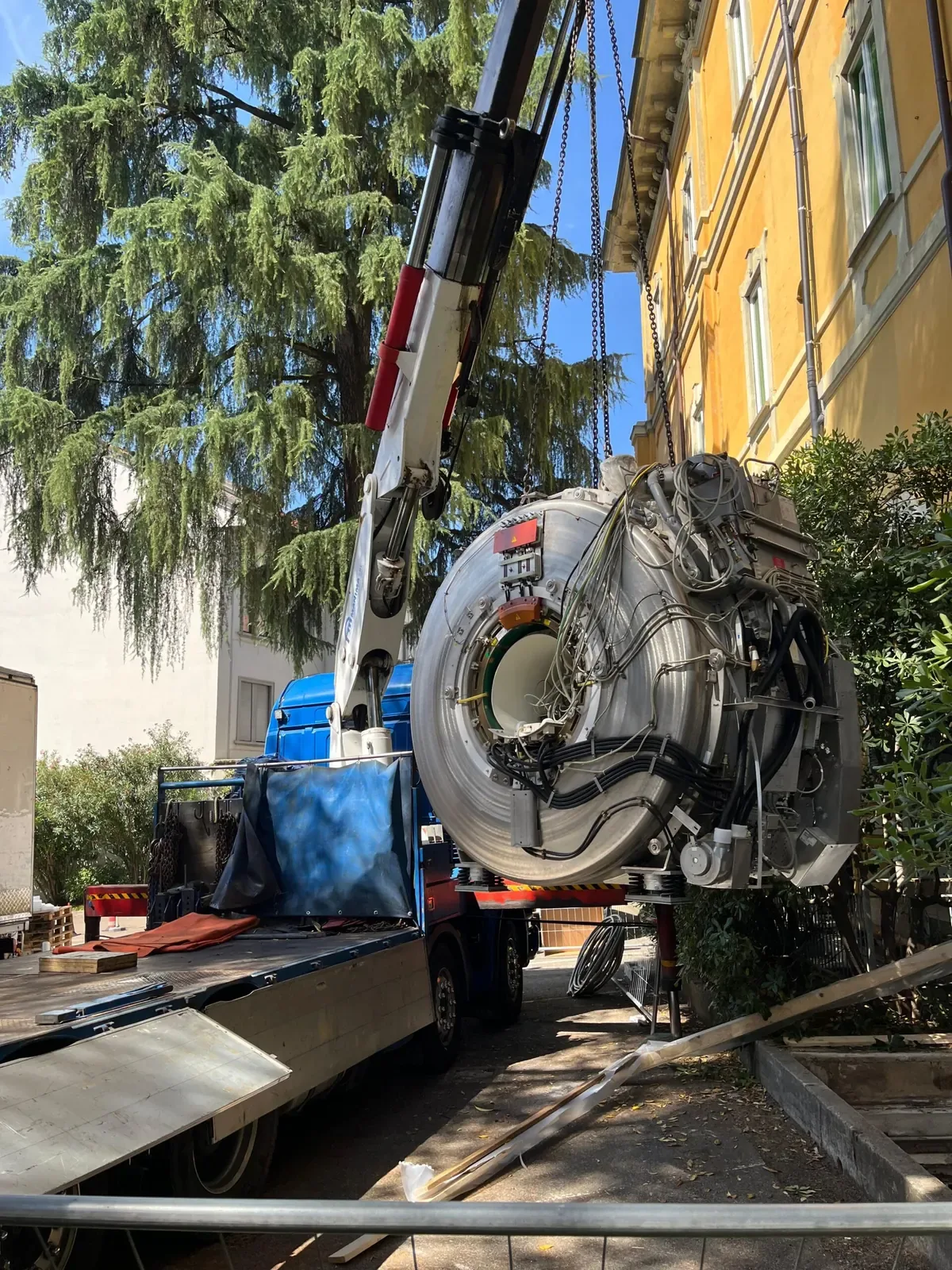
PLANNING AND INSTALLATION
Planning connects system characteristics, access routes, building work, utilities and activity sequencing.
APPROACH
Installing CT or MRI means connecting equipment with the facility’s spaces and organisation. Before delivery, collect information on access, routes, the room, utilities and planned work: these can affect both the activities and overall budget.
Our support connects system characteristics with planning for the agreed stages, alongside site contacts and the professionals involved. The project should clarify who prepares the room, who handles moving and which conditions must be met before installation.
Replacing equipment in an existing room and installing in a new facility require different pathways. We start with available plans and information to identify further checks and build a sequence suited to the case.
Collecting plans, routes, constraints and system requirements.
Sequencing activities and coordinating technical stakeholders.
Support during the agreed moving, installation and commissioning stages.
STARTING INFORMATION
Before building work or equipment activities can be defined, dimensions, routes, access, utilities and responsibilities need to be connected.
Planning turns these elements into a technical sequence that can be shared with everyone involved.
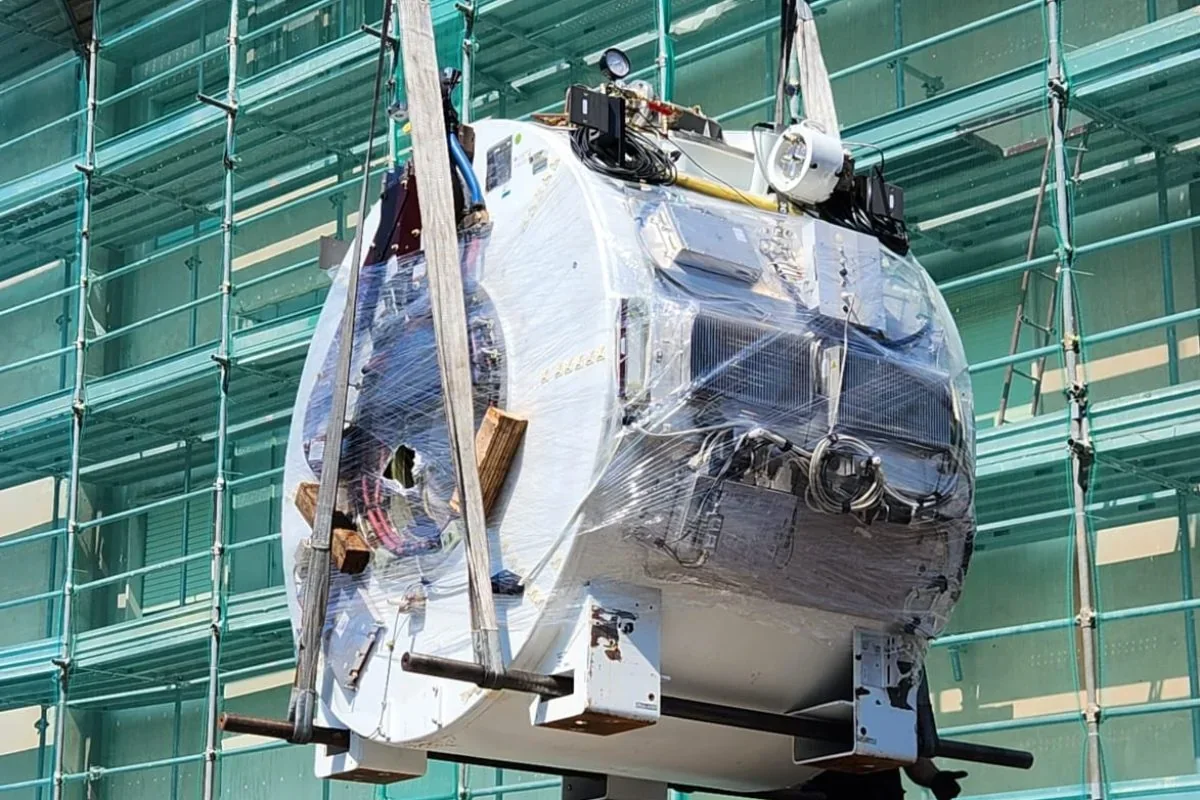
COORDINATION
Imaging equipment interacts with facilities, access routes, utilities, building work and the organisation of the destination site. These aspects need to be considered together so that a decision on one element does not create incompatibilities later in the project.
The required level of detail depends on the system, site and assigned scope. Plans, surveys and technical information are therefore separated into available data, assumptions requiring verification and decisions that remain open.
Before execution, the stakeholders responsible for each activity are identified together with any point requiring specialist confirmation or external authorisation outside the agreed scope.
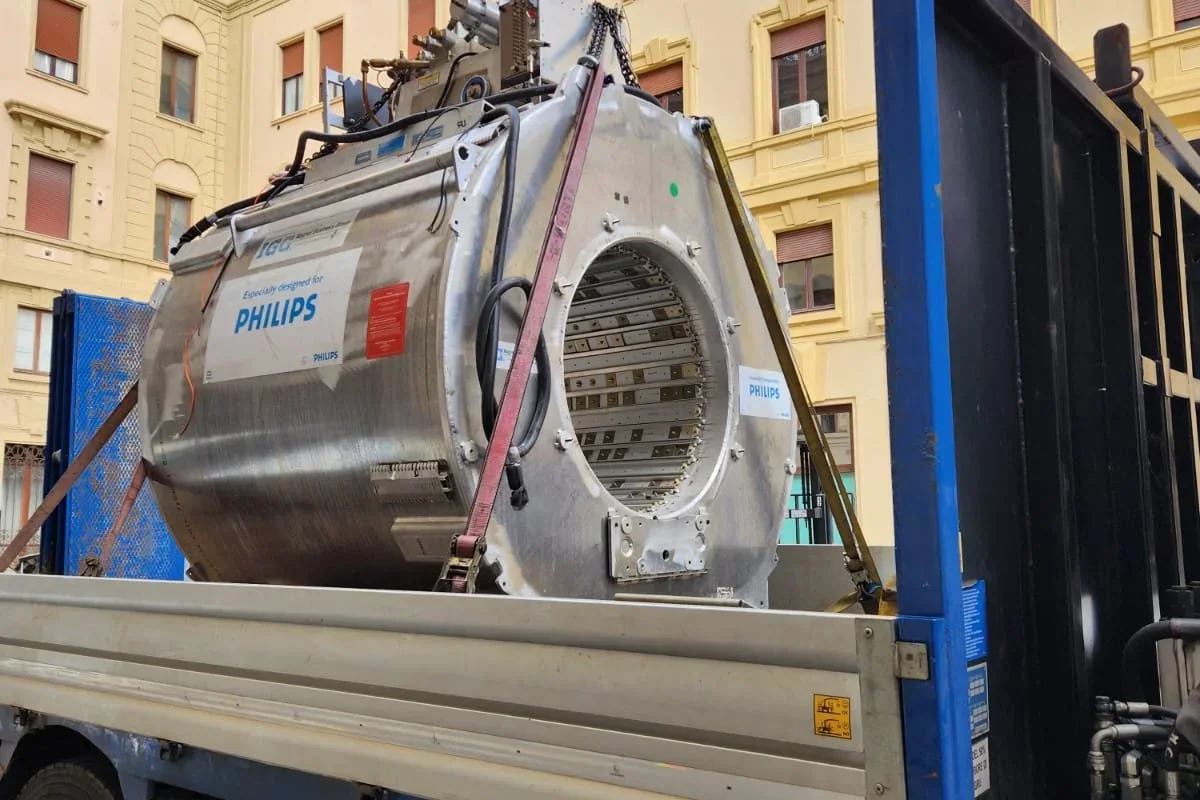
STAGES
The level of detail depends on the technology, destination site and included activities.
System details, plans, dimensions, utilities and available programme.
Facilities, access, routes, interfaces and points requiring further checks.
Share activities, dependencies and technical stakeholders.
Support the moving and installation stages included in the project.
USEFUL QUESTIONS
The need is assessed after reviewing the information and documents already available.
This depends on the technology, site and activities included in the agreed scope.
No. Each stage is explicitly stated in the project scope.
Tell us what support you need, where the facility is located and what matters most to you. Let’s start there.